
Strategy RPG games appear in many forms in 2026. They challenge players to plan moves, manage resources, and adapt to changing maps. Readers will learn what these games are, who plays them, and why they matter. The guide uses clear examples and practical advice. It aims to help players improve decisions, pick the right titles, and enjoy deeper tactical play.
Key Takeaways
- Strategy RPG games combine role-playing and tactical map combat, rewarding planning, positioning, and unit synergy for engaging gameplay.
- Core mechanics like movement, terrain effects, and resource management require players to strategize thoughtfully and adapt in turn-based sequences.
- Choosing the right difficulty and game length helps players learn while keeping fights challenging and fitting different play styles.
- Top strategy RPGs in 2026 offer options for beginners with tutorials, veterans with deep systems, and casual players with short sessions.
- Players should evaluate game features such as save points, permadeath options, and skill progression to maximize enjoyment and growth.
- Trying demos and reviewing tutorials ensures players pick strategy RPG games that match their preferences and promote meaningful tactical choices.
What Strategy RPGs Are, Who Plays Them, And Why They Matter
Strategy RPG games combine role-playing elements with grid or map-based combat. They let players control squads, level characters, and shape story outcomes through choices. Many titles reward planning, positioning, and unit synergy. Veterans seek long campaigns and deep systems. New players seek clear tutorials and shorter scenarios. Mobile players often pick lighter strategy rpg games for quick sessions.
They play these games for strategic challenge and narrative stakes. Competitive players study builds and matchups. Casual players enjoy character growth and story. Designers use mechanics to balance risk and reward. Critics praise strategy rpg games that offer meaningful choices and readable systems. Sales and streaming data show steady interest in tactical titles in 2025 and early 2026.
They matter because they teach decision-making under constraints. They also provide varied pacing: tense turns in combat and calm moments in town. Modern strategy rpg games often include accessibility options, save-anywhere systems, and adjustable difficulty. These changes widen appeal. Players who want thoughtful play rather than reflex tests often prefer strategy rpg games.
Core Mechanics, Common Systems, And How To Think Like A Tactician
Strategy rpg games rely on a small set of core mechanics. Movement, attack range, terrain effects, and initiative usually appear in every title. Classes and jobs assign roles and abilities. Leveling and equipment change stats and open new options. Resource management forces trade-offs between short-term gains and long-term power.
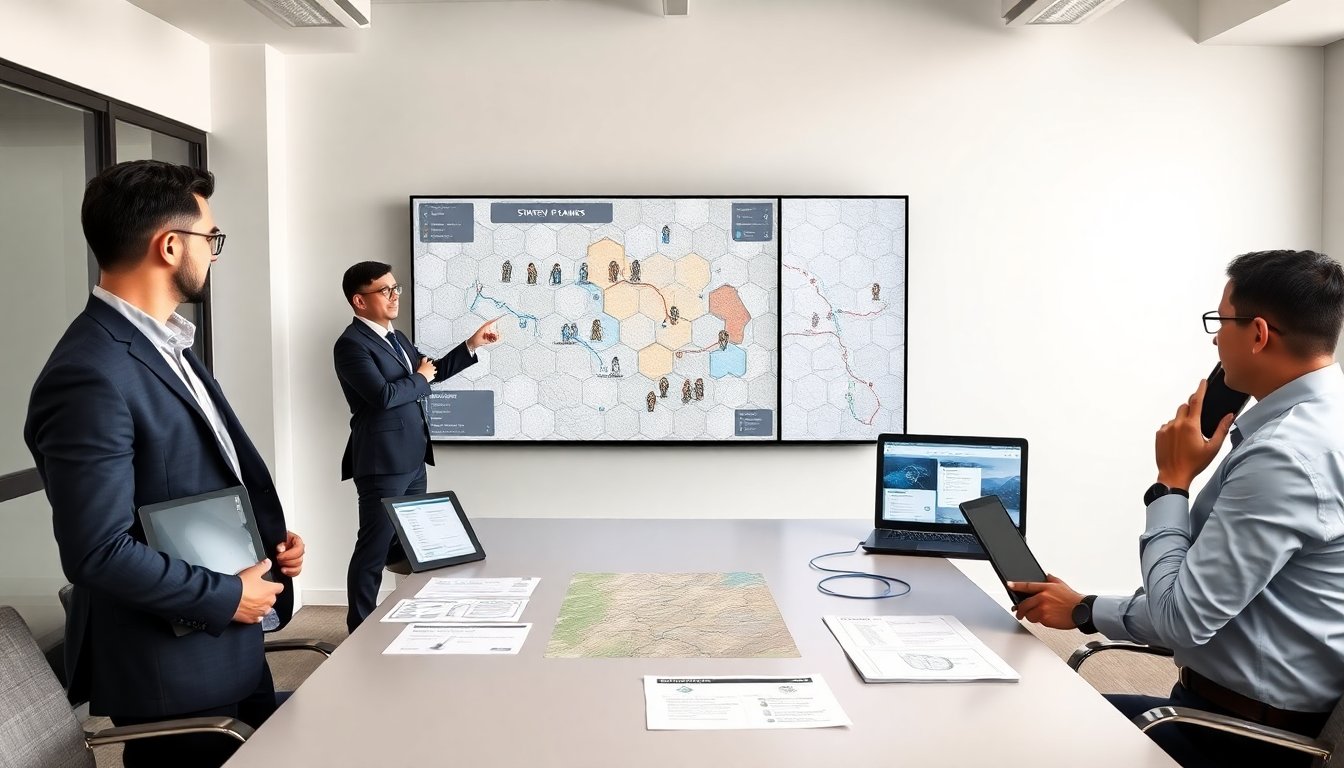
Players must form plans and adjust them. They identify threats, prioritize targets, and protect weak units. They use choke points and high ground to gain advantage. They rotate units to conserve stamina or avoid area attacks. They think in turns and in sequences of turns.
Common systems include permadeath, support bonuses, and skill trees. Permadeath raises tension and forces careful play. Support bonuses reward unit placement and character relationships. Skill trees allow role specialization. Many strategy rpg games mix these systems to create distinct rhythms.
Tacticians should adopt a few habits. They scout before committing, trade poor odds for position, and keep a balanced roster. They maintain a mix of damage dealers, buffers, and controllers. They build redundancy so one loss does not break the whole plan. They also test strategies in low-risk fights to learn timing and combos.
Equipment and economy matter. Players decide when to spend gold on weapons or training. They compare marginal gains and pick upgrades with the most impact. In many strategy rpg games, early economy choices shape late-game options.
Difficulty settings change how systems behave. Easy modes often reduce enemy accuracy or increase player resources. Hard modes reward perfect play and punish mistakes. Players should pick a setting that promotes learning while keeping fights tense.
Top Strategy RPGs To Try In 2026 — Best For Beginners, Veterans, And Short Sessions
Beginners need clarity and forgiving design. A recommended starter is a title with tactical depth and good tutorials. Such strategy rpg games explain combat basics, show hit chances, and allow retries. Another beginner pick offers short missions and persistent progression so players feel steady progress.
Veterans want complexity and tight balance. A top pick in 2026 presents deep job systems, layered combat, and meaningful trade-offs. It rewards planning across dozens of hours and supports varied playstyles. Competitive veterans enjoy replay modes and high-difficulty scenarios that test mastery.
Players who seek short sessions should pick games with modular battles or concise chapters. Some strategy rpg games on mobile and handheld platforms deliver 15–30 minute missions and save points between fights. These titles let players practice tactics in brief windows.
Hybrid recommendations include one modern classic that blends story and tactics with a flexible difficulty slider. It suits mixed groups: families, veterans, and time-limited players. Another recommended title offers permadeath as an optional rule. Players can toggle it to match their tolerance for risk.
Specific examples in 2026 include remasters and new releases that kept core tactical principles while improving UI and accessibility. One remaster moves camera and displays ranges clearly. Another new release introduces modular missions and faster pacing without removing depth. Both types expand the audience for strategy rpg games.
Players should sample demos and watch short clips before purchase. They should check save systems and mission length to match play habits. They should look for titles that explain systems and support gradual skill growth. That way, players get the strongest payoff from their time invested in strategy rpg games.