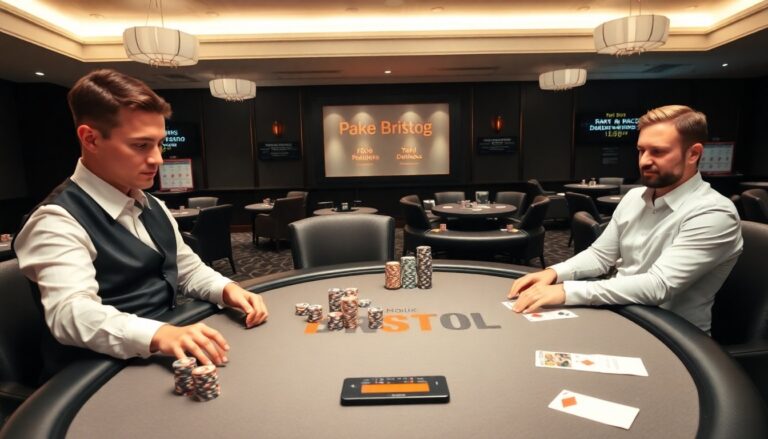


Cherokee casino poker draws players with deep cash games and frequent tournaments. The guide explains where to play, what games run, and how players can improve. It keeps advice clear and direct. It avoids fluff and gives practical steps for each stage of play.
Key Takeaways
- Cherokee casino poker is available at multiple tribal casinos, notably in North Carolina, offering a variety of cash games and frequent tournaments.
- Players can enjoy Texas Hold’em, Omaha, and mixed games with stakes ranging from micro to high-limit, alongside popular tournament formats like freezeouts and re-entries.
- Successful Cherokee casino poker players focus on disciplined bankroll management, aiming for 20–30 buy-ins for cash games to sustain long-term profit.
- Strategic play involves tight-aggressive approaches, selecting games with weaker opponents, and leveraging position to control pot size for higher winning odds.
- Observing proper table etiquette, including acting promptly, protecting cards, and tipping dealers, helps maintain a smooth gaming experience and avoids penalties.
- Utilizing post-session reviews and seeking feedback can significantly improve skills and outcomes in Cherokee casino poker.
Where To Play: Cherokee Casino Locations, Poker Rooms, And Amenities
Cherokee casino poker appears at several tribal casino sites in the United States. The most notable locations include Cherokee, North Carolina, and several satellite venues in nearby states. Each site lists poker room hours and contact details on its official page. Players can call ahead to confirm tables and tournament schedules. The poker rooms offer a mix of cash games and scheduled events. The rooms provide comfortable seating, electronic card shufflers, and dealer-managed tables. The larger Cherokee casino in North Carolina supports high-capacity rooms with dozens of seats. The venues provide food service, bars, and hotel options near the poker room. Players can use on-site ATMs or the cage to buy chips. The poker rooms accept standard IDs and enforce dress and behavior rules. The staff posts limits and stakes at the door. Security monitors the floor and handles disputes. The poker rooms often run promos tied to the casino rewards program. Players can earn points on play and redeem them for meals or hotel stays. The rooms run tournaments multiple times per week. Tournament flyers show buy-ins, structures, and prize pools. The poker desk will seat players and list waiting lists. Parking stays free at most Cherokee casino properties. The venues also host live entertainment and events that can affect table traffic. Players should plan travel and book hotel rooms before major events.
What To Expect At The Felt: Game Types, Limits, And Tournament Formats
Cherokee casino poker uses familiar game types. The rooms run Texas Hold’em, Omaha, and mixed games. Hold’em dominates cash games and tournaments. Omaha appears in higher-stakes rings and scheduled events. Mixed-game formats rotate for advanced players. Cash-game limits range from micro stakes to high stakes. The rooms often list $1/$2 and $2/$5 Hold’em as core games. Higher-stakes games appear by demand. Poker tables use dealer button rotation and standard blind structures. The rooms run both fixed-limit and no-limit formats. Players should review the posted rules before joining a table. Tournament formats vary by buy-in and structure. The rooms host freezeouts, rebuys, and re-entry events. They also run deep-stack and turbo formats. Structure sheets list starting stacks, blind levels, and break times. The rooms use professional tournament directors and clock systems. They publish payout structures based on entries. Satellite events feed larger scheduled tournaments. Players often enter satellites to win seats to big buy-in events. The rooms follow standard rules on hand rankings, table etiquette, and chip handling. Dealers call all action and announce the pot. The rooms post clear rules on string bets, misdeals, and all-in procedures. The staff enforces rules evenly to keep games fair. Players should study the posted rule sheet before play.
Winning More Often: Strategy, Bankroll Management, And Table Etiquette
Cherokee casino poker players find small edges with disciplined play. Good players enter games that match their skill and bankroll. They choose tables with weaker opponents and clear stack sizes. Players track results to manage long-term profit. Bankroll rules help players avoid ruin. A common rule uses 20 to 30 buy-ins for cash games and 100 buy-ins for tournaments. Players adjust those numbers by comfort and variance tolerance. Tight-aggressive play works well in many casino fields. Players raise with strong hands and fold marginal hands early. They use position to control pot size. Players avoid bluffing too often against inexperienced opponents. They exploit common leaks like calling down with weak hands and playing too many hands out of position. Short-term luck will vary. Discipline and patience increase winning frequency over time. Players also focus on game selection and table dynamics. They change tables when seat draw or opponent mix deteriorates. Proper etiquette keeps the floor calm. Players act in turn, protect their hole cards, and avoid slow-rolling. They tip dealers at reasonable rates and follow smoke and phone policies. The poker room enforces time limits and behavior rules. Players who respect etiquette reduce penalties and disputes. Finally, players review hands after sessions. They seek feedback from stronger players and use tracking tools if allowed. This practice helps players refine decisions and increase results.