
U.S. poker and casino parties offer a fun, social night for friends and coworkers. The host sets a clear date, books a venue, and sends invites. The host explains rules and provides equipment. The host verifies local laws and age limits. The host plans food, staffing, and pacing. The guide shows practical steps for a legal, smooth, and memorable event.
Key Takeaways
- U.S. poker and casino parties provide fun social events by focusing on clear planning, legal compliance, and guest engagement.
- Hosts must verify local laws and age restrictions, using play chips or prize tickets to ensure legal, smooth casino party experiences.
- Choosing the right venue, budgeting carefully, and hiring staff like dealers and floormen are essential for efficient event operation.
- Offering a mix of easy and competitive games, clear rules, and a well-paced schedule keeps guests entertained and comfortable.
- Managing liability with insurance and waivers, plus setting alcohol policies and sober transport, ensures guest safety throughout the party.
- Ending with a clear prize ceremony and thanking guests promotes memorable experiences and encourages future events.
Why Host A Poker Or Casino Party In The U.S. — Legalities, Audience, And Goals
Many people choose U.S. poker and casino parties for social connection and entertainment. Hosts create a relaxed space for skill play and light competition. Hosts must check local laws before booking a venue. States vary on gambling rules and charity-exemption clauses. Hosts verify whether play-for-money is allowed. Hosts consider using play chips or prize tickets to avoid legal issues.
Hosts define the audience to shape the event tone. Hosts pick a casual crowd for friends or a formal crowd for corporate teams. Hosts set age limits and request ID at the door. Hosts list expectations on the invite so guests arrive prepared. Hosts pick seating and game types based on guest skill levels.
Hosts set clear goals to guide decisions. Hosts may aim to raise funds, reward staff, or provide a birthday activity. Hosts choose a prize structure and winning rules that match the goal. Hosts set a budget that includes venue fees, equipment rental, catering, and small prizes. Hosts track expenses to keep the event within budget.
Hosts manage liability with simple steps. Hosts obtain event insurance if they expect many guests. Hosts use waiver forms if the venue requires them. Hosts hire licensed dealers for higher-stakes or public events. Hosts confirm alcohol rules with the venue. Hosts plan sober transport options or rideshares for guest safety.
Planning And Logistics: Venue, Budget, Equipment, And Staffing
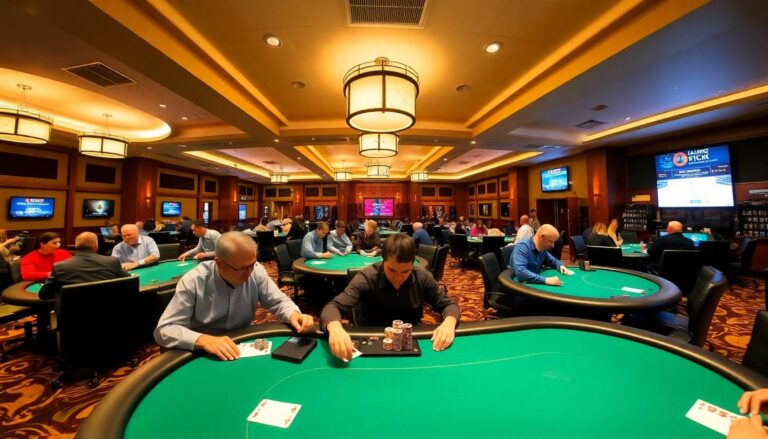
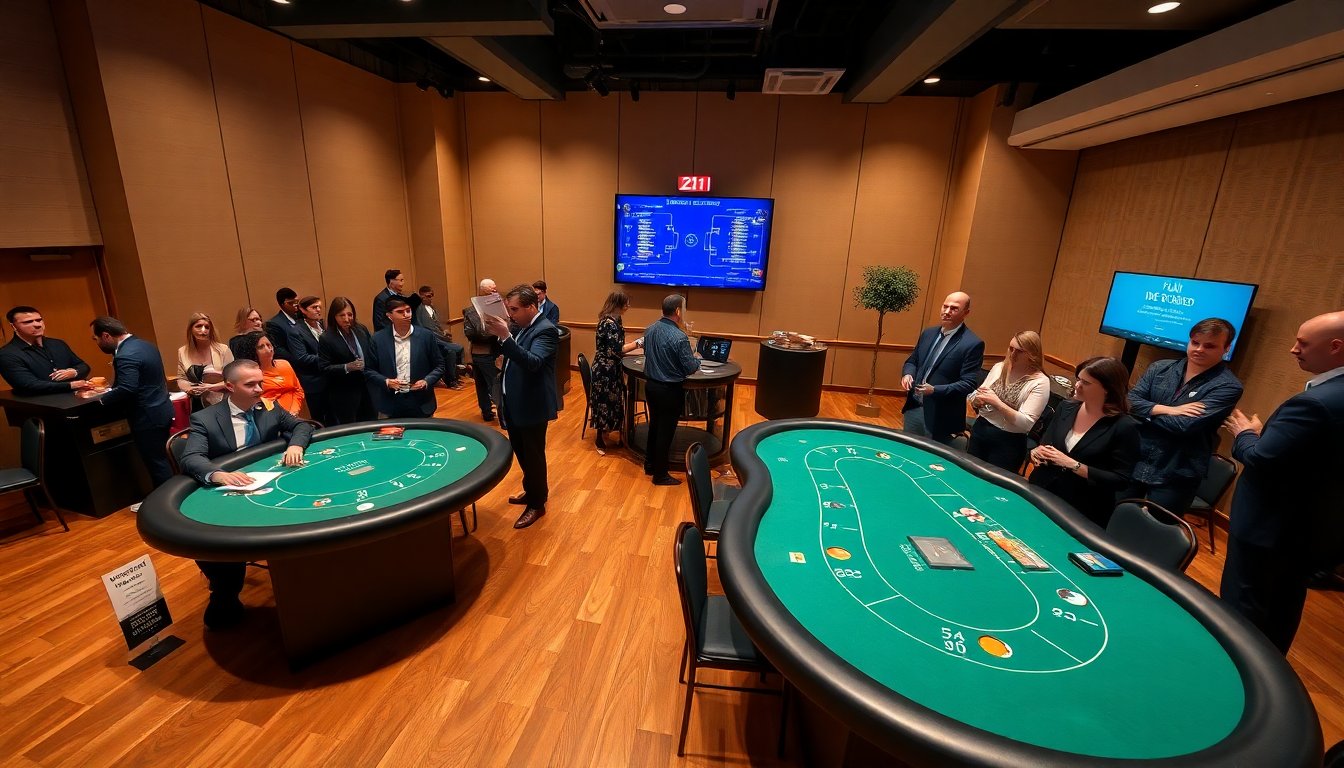
Hosts pick a venue that fits the expected guest count. Hosts measure space for tables and walking paths. Hosts confirm electrical outlets for lights and card shufflers. Hosts test Wi-Fi if digital leaderboards or music rely on it. Hosts negotiate a clear rental window that includes setup and cleanup time.
Hosts create a budget that lists fixed and variable costs. Hosts include venue rental, table rentals, dealer fees, catering, and decorations. Hosts assign a buffer of 10 percent for surprises. Hosts choose between free-play chips or cash games based on legal advice. Hosts order chips, cards, and table layouts with spare supplies for quick replacement.
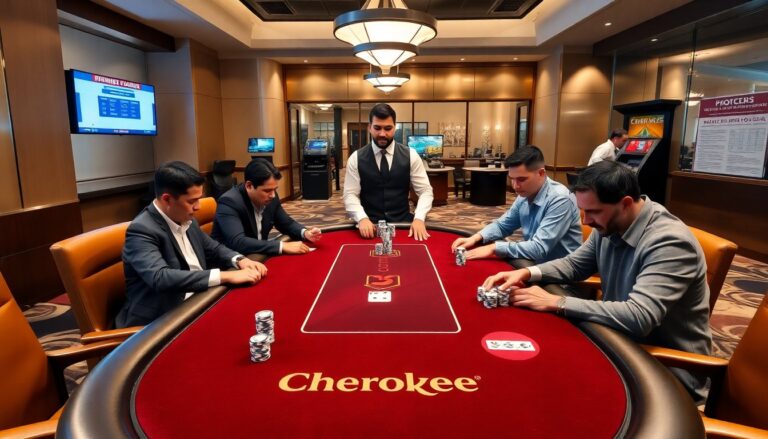
Hosts select equipment that fits game choices. Hosts rent professional poker tables for Texas Hold’em or blackjack layouts for casino nights. Hosts buy felt covers to protect surfaces. Hosts label tables with game names and minimums. Hosts include clear signage for rules and payout structure.
Hosts hire staff to keep play fair and the night running. Hosts hire one dealer per table for smooth dealing. Hosts hire a floorman to adjust tables and answer rules questions. Hosts hire a cashier to handle chips, tickets, or prize vouchers. Hosts brief staff with a concise schedule and rule sheet before guests arrive.
Hosts manage food and drink to keep guests comfortable. Hosts choose finger foods that avoid messy hands. Hosts place water stations near tables. Hosts set an alcohol policy and communicate it on the invite. Hosts arrange for a cleanup crew or leave cleanup terms in the venue contract.
Games, Rules, Pacing, And Guest Experience: How To Run A Smooth, Fun Night
Hosts pick a mix of games to keep the night lively. Hosts include easy-to-learn games like blackjack and craps. Hosts include poker variants such as Texas Hold’em and Omaha for competitive players. Hosts rotate game options to match guest interest. Hosts schedule tournament rounds and casual tables so guests move freely.
Hosts publish simple rules for each table and post them clearly. Hosts display buy-in, blind structure, and payout details at poker tables. Hosts explain chip color values and exchange policies at the cashier. Hosts post etiquette reminders to keep play friendly and fair. Hosts run a short rules announcement when the event begins.
Hosts pace the night with a clear timeline. Hosts start with casual play for the first 30 to 45 minutes to help guests warm up. Hosts begin tournaments after most guests arrive. Hosts set scheduled breaks for food and socializing. Hosts plan a final table or a prize ceremony to close the night.
Hosts keep guests engaged with small incentives and clear communication. Hosts offer side contests like best hand or costume prize to add variety. Hosts use a visible leaderboard to show progress and create excitement. Hosts collect feedback during the night with quick paper or digital forms.
Hosts manage disputes with a firm but fair approach. Hosts empower dealers and the floorman to make quick calls. Hosts document controversial rulings and explain them calmly to involved players. Hosts offer a polite, written appeals process for serious disagreements.
Hosts end the night with a controlled payout and exit flow. Hosts count chips at the cashier and verify prize tickets. Hosts announce winners and distribute prizes on a small stage or in a central area. Hosts thank guests and share contact info for future events.